

Winter Siding Maintenance: What You Can—and Shouldn’t—Do
Expert Advice on Protecting Your Janesville Home’s Exterior During the Coldest Months
Janesville winters are famously tough on a home's exterior. Between sub-zero temperatures that make vinyl brittle and the relentless freeze-thaw cycles that push moisture into the smallest crevices, your siding is under constant stress. At DMR Exteriors, we know that proactive care is the best way to avoid a full replacement in the spring.
However, winter maintenance is a delicate balance. Doing too much—or the wrong thing—at 10°F can cause more harm than good. Here is our expert guide on how to safely maintain your siding this winter and when it’s best to wait for the thaw.
What You SHOULD Do: Safe Preventive Care
While you shouldn't be starting a major renovation in a blizzard, there are several "low-impact" tasks that will protect your home’s integrity.
- Clear the Perimeter: When shoveling your walkways or clearing the driveway, avoid piling snow against your home. Persistent snow contact can trap moisture against the foundation and the bottom edge of your siding, leading to rot (in wood) or moisture infiltration (in vinyl).
- Monitor for Ice Dams: If you see large icicles forming along your roofline, they may be dripping water directly onto your siding panels. Use a roof rake to safely remove snow from the eaves to prevent ice from backing up and seeping behind the siding.
- Inspect from the Ground: Use a pair of binoculars to check for loose panels or cracks, especially after a high-wind event. Catching a loose piece now can prevent it from blowing off entirely during the next storm.
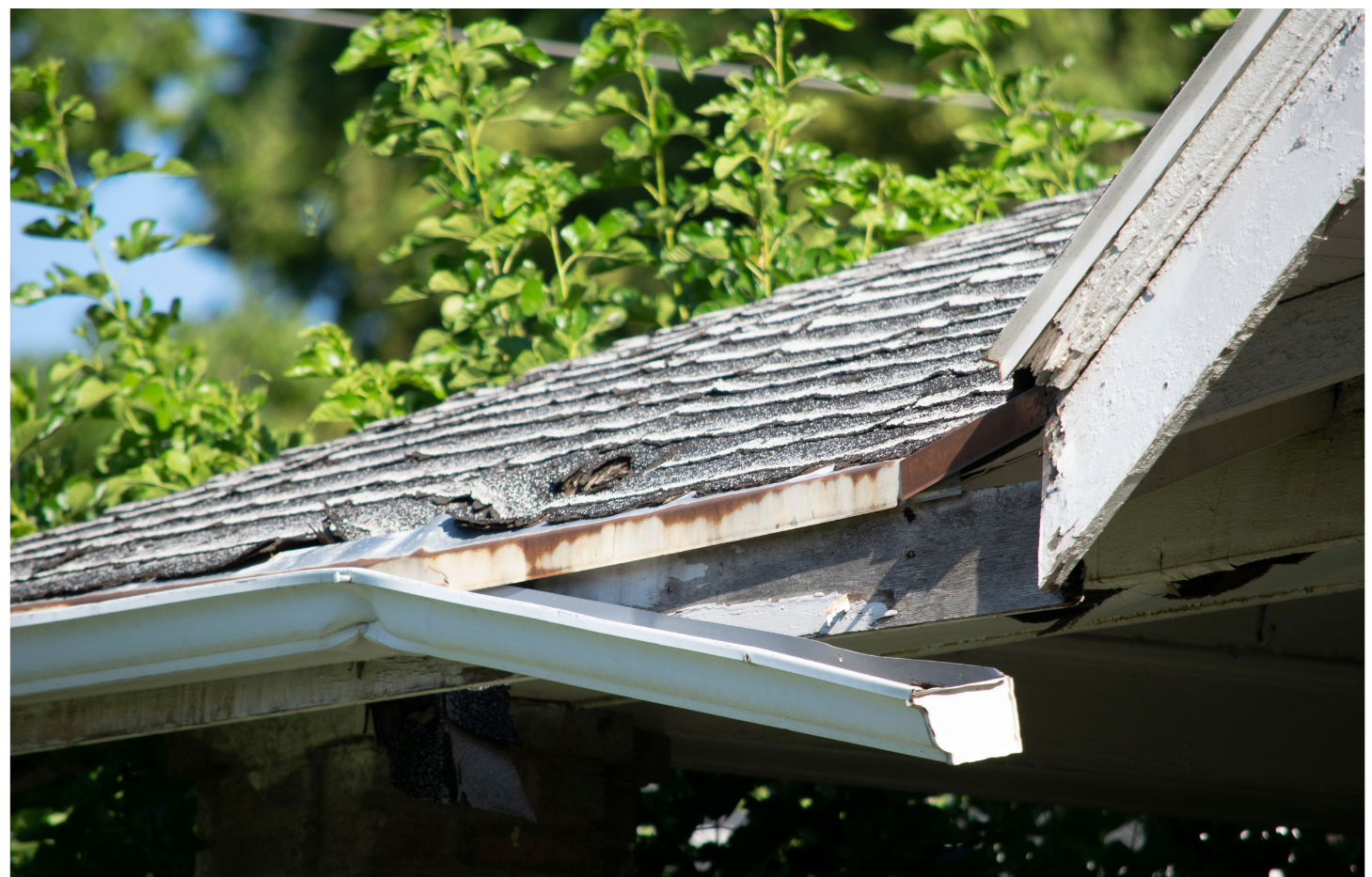
- Keep Gutters Flowing: Ensure your downspouts are clear. When gutters overflow, water runs down the face of your siding, creating "ice sheets" that can warp panels and damage the seals around your windows.
What You SHOULDN'T Do: Risky Winter Mistakes
Cold weather changes the physical properties of your siding. Here is what to avoid until the weather warms up:
- Don't Use a Pressure Washer: Never power wash your siding in freezing temperatures. Water can easily get trapped behind the panels and freeze, causing them to buckle or pop off. Plus, the high pressure can shatter cold, brittle vinyl.
- Don't Chip Away Ice: If you find ice built up on your siding, do not use a hammer or scraper to chip it off. Brittle siding can crack instantly under impact. If the ice is a major concern, use warm (not boiling) water to gently melt it away.
- Don't Ignore Small Cracks: While you shouldn't do a full repair yourself in the deep freeze, don't leave a gaping hole exposed to the elements. A temporary "patch" using weatherproof tape can prevent moisture from reaching your home's sheathing until a professional can perform a permanent fix.
The "Why" Behind the Brittle Factor
Most Janesville homes utilize vinyl siding, which is a fantastic, low-maintenance material. However, PVC becomes significantly less flexible as temperatures drop. A stray rock from a snowblower or a heavy branch hitting the house in January can cause a "shatter" crack that wouldn't happen in July. This is why we recommend extreme caution when working near your home's exterior in the winter.
When to Call the Pros
If you notice significant damage—such as missing panels, large cracks, or interior water stains—don't wait for April. While some aesthetic updates are better left for spring, structural repairs should be addressed immediately to prevent mold and wood rot inside your walls.
At DMR Exteriors, we are Janesville’s experts in roofing, siding, and gutters. We understand the specific challenges of Rock County's climate and can provide "emergency" winter repairs that keep your home airtight and dry until the spring construction season begins.
Is your siding showing signs of winter stress? Don't let a small crack turn into a major structural headache. Let our local experts give your home a winter health check.
Call DMR Exteriors today at 608-553-1700 for a free estimate or to discuss your siding needs.